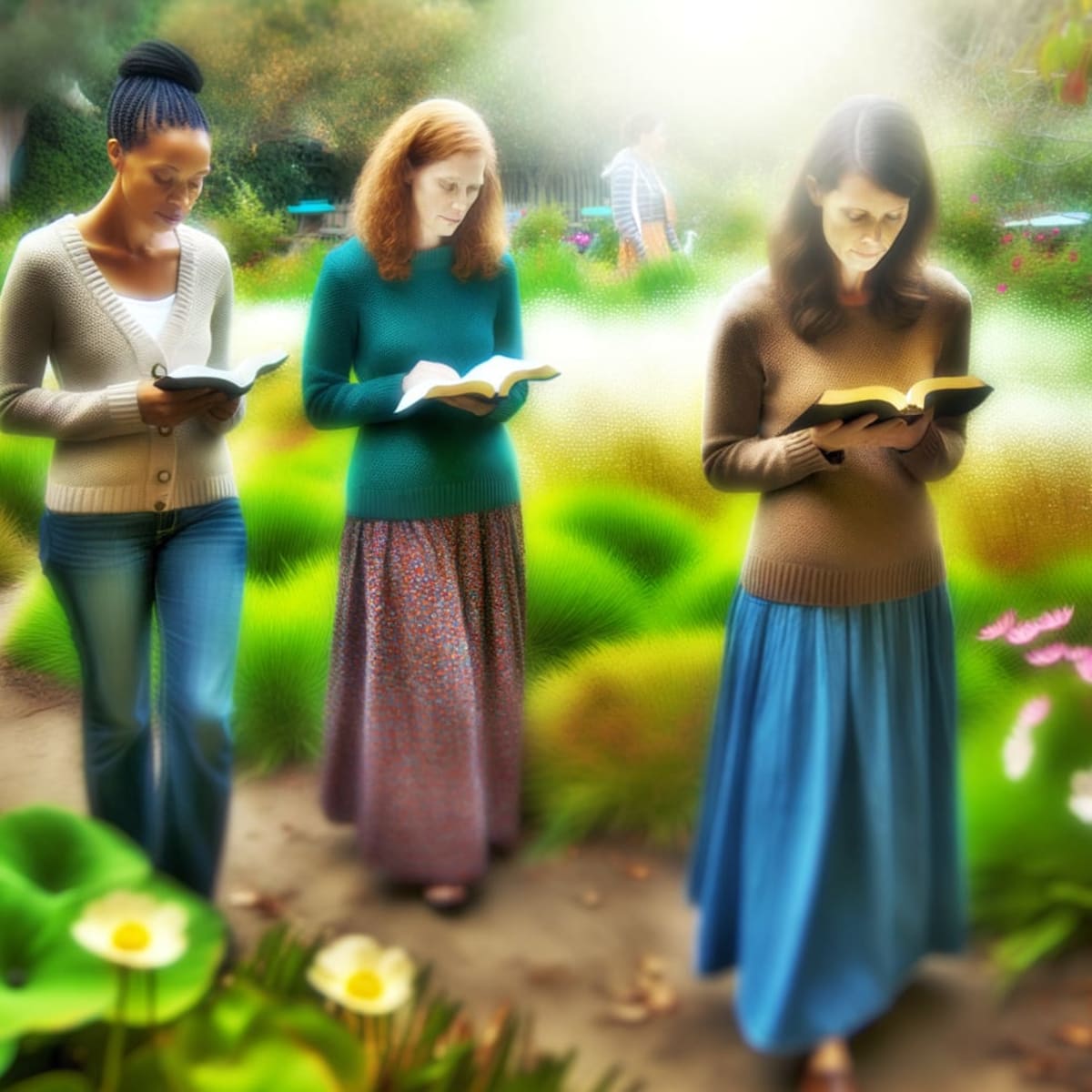

Scripture guidance for forgiveness guides us toward restoration today
I remember the moment I realized scripture guidance for forgiveness isn’t a quick fix. It’s a steady practice, a doorway we walk through with hands open and hearts willing. When we lean into God’s word, forgiveness becomes less about who was right and more about who we are becoming in Him. Let me tell you what I’ve learned on the road to healing, and how God’s Word can lead us toward restoration rather than replaying old hurts.
Here’s the thing: forgiveness is more about alignment with God than about the other person. We don’t forgive to erase or pretend the hurt didn’t happen. We forgive to release ourselves from a prison that keeps us from what God has for us next. And scripture is a reliable guide in that journey, offering truth, perspective, and practical steps that fit into real life.
You might be thinking, where do I start? The answer is simple and brave: start with God, and let His word shape your steps. We’re not alone in this. Our community, our prayers, and our daily choices all matter when it comes to living out forgiveness with grace and truth.
How does scripture guidance for forgiveness work in daily life?
At its core, scripture guidance for forgiveness invites us to see who we are in Christ first. It helps us shift from a focus on right and wrong to a focus on restoration and relationship. I’ve found that when I remind myself that I am loved by God and forgiven by Him, my posture toward others begins to soften. The result isn’t passive acceptance but active, hopeful response.
In practical terms, this means naming our hurt and bringing it to God before we bring it to anyone else. It means choosing to run to the Father first—not for permission to stay hurt, but for power to lay it down. It means asking the Lord to show us how our past pain might be used for someone else’s healing, not as a weapon to wound but as a bridge to compassion.
Some days, forgiveness feels like a small yes next to a big hurt. Other days, it feels like a long walk with a lot of hills. Either way, scripture invites us to keep walking. We take one step, then another, trusting that God meets us in the asking and the continuing, not in a moment of perfect emotion but in a daily practice of obedience.
And yes, there are moments when the hurt is real and the consequences are lasting. Still, scripture reminds us that healing is possible through steady trust in God. Our job is to cooperate with His healing work, not to force a premature peace or pretend the wound never existed.
Identity in Christ as a foundation
When we anchor forgiveness in who God says we are, bitterness loses its grip. We are chosen, forgiven, and called to reflect love even when it’s hard. That identity matters in how we respond when someone hurts us or disappoints us. The truth that I am His child gives me the courage to be honest about my hurt while also extending grace to others.
Letting go as daily obedience
Letting go isn’t a one time event. It’s a daily decision to surrender what we want for what God wants. Some days we hold on a little longer, and God meets us there with patience. Other days we release quickly, surprised by the relief that comes with obedience. Either way, the pattern of turning toward Him remains the same.
What verses anchor our healing and restoration?
Scripture offers several anchors that keep us steady on the forgiveness walk. One of my favorites is Ephesians 4:32 in the CSB: Be kind and compassionate to one another, forgiving one another, just as God also forgave you in Christ. This verse isn’t about performance as much as it is about invitation. It invites us to respond like Jesus, not out of fear but out of gratitude for the mercy we’ve received.
Another is Colossians 3:13 bear with one another and forgive one another if any of you has a grievance against someone. Forgive as the Lord forgave you. It helps to see forgiveness as a reflection of God’s own mercy in us rather than a burden we bear for others. When we remember that our forgiveness mirrors what God has already done for us, mercy becomes a natural response, not a forced rule.
Within these passages we find a mindset shift—acknowledge the hurt, choose to forgive, and entrust the outcome to God. Healing doesn’t erase the memory, but it changes our memory’s power. It allows the past to teach us rather than trap us, and it frees us to live with hope and purpose again.
For me, these verses serve as a compass. They guide daily choices, from the way I respond in a tense moment to how I carry the weight of past disappointments into future relationships. Scripture doesn’t just tell us what to do; it reveals what we can become when we choose love, truth, and a steady faith in God’s good plan for our lives.
Contexts that deepen understanding
When we study these verses in their surrounding contexts, we see they sit inside larger themes of unity, humility, and peace. Forgiveness is not a solitary act; it strengthens community. It softens conflict and invites reconciliation not as a negotiation but as a shared commitment to reflect Christ in our everyday lives.
So we approach forgiveness with humility, asking God to widen our hearts. We ask for wisdom to respond in ways that honor Him even when we don’t feel the warmth we want inside. That combination of truth and tenderness is what makes scripture guidance for forgiveness so powerful for restoration rather than resentment.
Practical steps to live forgiveness with community
Walking in forgiveness is a team sport. We don’t have to do it alone. Here are practical steps that keep us moving forward with grace and shared strength:
- Invite God into your daily thoughts through a short morning prayer and a quick read of a verse that speaks to your hurt
- Write down what you feel, then lay it at the feet of Jesus and release the burden
- Share your process with a trusted friend or mentor who can pray with you and offer gentle accountability
- Choose small acts of kindness toward the person who hurt you, not as a test but as a reflection of your identity in Christ
- Engage in a Bible study or faith community that helps you see forgiveness as growth not guilt
Here is a simple practice you can try this week: write a letter you will not send. In it, name the hurt, offer forgiveness, and ask God to help you. Then burn the letter or tuck it away as a reminder that forgiveness is a choice you make again and again. It may feel strange at first, but it can be a powerful symbol of release and renewal.
Moving forward with hope and restoration
Forgiveness is not an ending but a doorway. It opens space for God to heal us, reshape our relationships, and reveal new paths we could not see before. When we anchor ourselves in scripture and lean into community, restoration becomes less of a distant dream and more of a daily experience. We learn to walk with grace, not in denial, and to trust God with the outcomes we can’t control.
If you’re carrying a heavy burden today, know you are seen, you are loved, and you can move toward restoration. God meets you in your questions and your hurt, and His Word gives you a practical way forward that honors Him and refreshes your soul. Let’s choose Him again today, together.
Would you like a friend to walk this with you? If you have a story of forgiveness or a question about scripture guidance for forgiveness, I’d love to hear from you. Email or message me and let’s pray and learn together. Small shifts in perspective can lead to big changes when we invite God into the journey.